
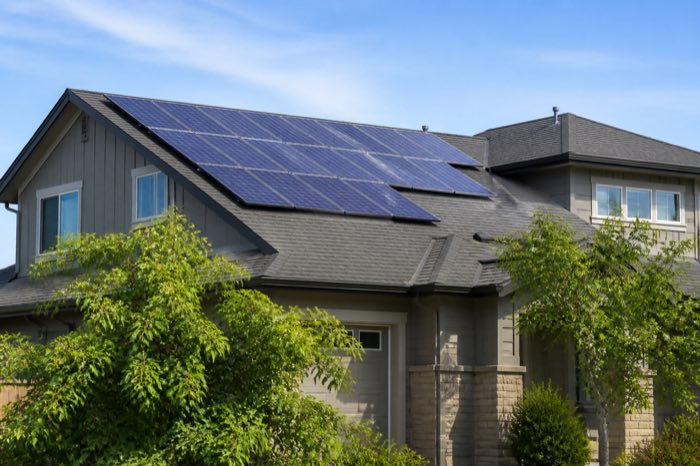
Simple Ways To Get More From Your Solar Panels At Home
Home solar panels are often sold as a once-off decision: install the system, switch it on, and let the sun do the rest. In day-to-day life, it is rarely quite that simple. A solar setup can keep working for years with very little fuss, but the way the household uses power has a big effect on how much value it delivers.
The good news is that getting more from solar panels does not always mean buying more equipment. In many homes, the first improvements come from small changes: using electricity at better times of day, keeping an eye on performance, and making sure the panels are not fighting shade, dirt, or wasteful appliances.
Use More Power While The Sun Is Available
Solar panels produce their best results when there is strong daylight. That sounds obvious, but many households still use most of their electricity early in the morning or later in the evening, when the system is producing less.
Where possible, shift heavier tasks into the middle of the day. Washing machines, dishwashers, pool pumps, geysers, and battery charging can all make better use of solar power when they run during peak production hours. Even moving one or two regular tasks can reduce the amount of electricity pulled from the grid.
This does not mean changing the whole household routine overnight. Start with the appliances that are easiest to schedule, then look at the next largest loads once the habit feels normal.
Watch The Numbers, Not Just The Weather
Most people notice a cloudy day, but it is harder to spot a slow drop in solar performance unless you are measuring it. A basic monitoring app or home energy monitor can show whether the system is producing roughly what it should and when the home is using the most power.
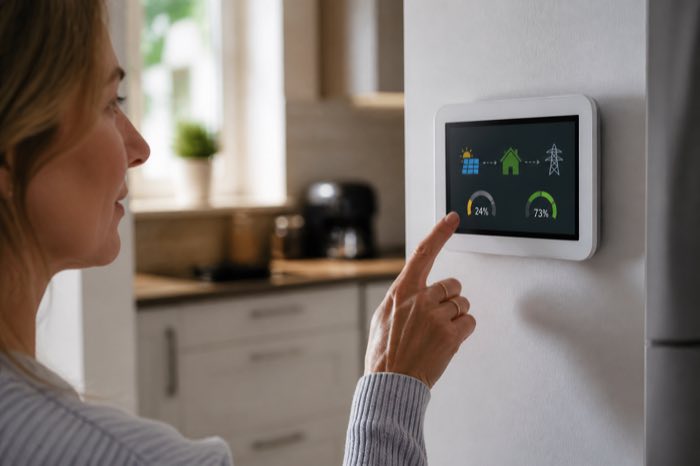
This information is useful because it turns guesswork into a practical plan. If the monitor shows that a large amount of power is being used after sunset, battery storage or better appliance scheduling may be worth looking at. If production drops on clear days, the panels may need cleaning or inspection.
It is also worth checking monthly patterns. A single low-production day may not matter, but a steady decline over several weeks is a sign that something deserves attention.
Keep Shade Under Control
Shade can have a bigger effect on solar panels than many homeowners expect. A branch crossing part of one panel, a new aerial, or even a nearby building can reduce output, especially during the most useful daylight hours.
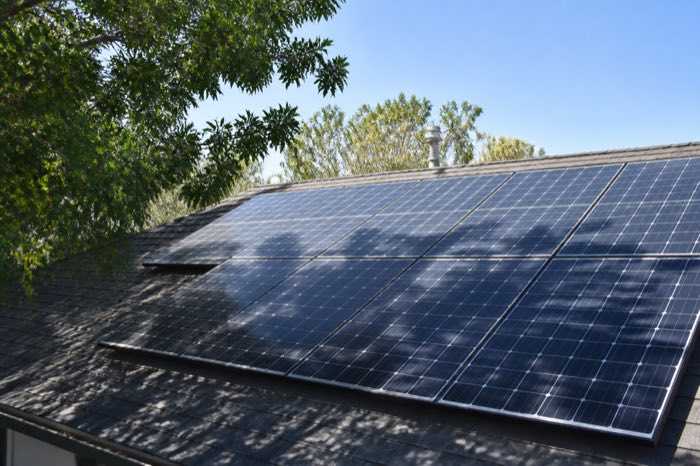
Look at the roof at different times of day and in different seasons. The sun sits lower in winter, so a roof that looks clear in summer may catch more shade later in the year. If trees are the issue, careful trimming can help, provided it is done safely and without damaging the tree or the roof.
For more complicated shade problems, speak to a solar installer. Modern inverters and optimisers can sometimes reduce the impact, but the right answer depends on how the system is wired and where the shade falls.
Do Not Ignore Simple Maintenance
Solar panels do not need constant attention, but they should not be forgotten either. Dust, leaves, bird droppings, and other debris can all reduce performance. In many areas, rain will do part of the cleaning, but it may not be enough after dry weather or heavy pollen.
Check panels from the ground where possible rather than climbing onto the roof. If cleaning is needed and the roof is steep, high, or fragile, it is better to call a professional. The aim is to improve output, not create a safety problem or damage the installation.
It also helps to keep records of maintenance, unusual dips in production, and any warning messages from the inverter. Those notes can save time if a technician needs to diagnose a fault later.
Improve The Home Around The System
Solar panels work best when the home is not wasting electricity. LED lighting, efficient appliances, better insulation, and sensible standby-power habits all help a solar system go further. The less power the home needs, the more of the solar production can cover useful everyday demand.
This is especially important for households that want backup power during outages. A battery will last longer when it is not carrying unnecessary loads, and the solar panels can recharge it more effectively during the day.
In the end, getting more from solar panels is mostly about paying attention. Use power when the panels are producing, monitor what the system is doing, keep shade and dirt under control, and reduce waste inside the home. These small steps can make solar feel less like a once-off installation and more like a useful part of the household budget.